When a $15 billion industrial announcement drops, people usually brush it off as typical political theater. But the massive steel complex slated for Lee County, Iowa, backed by Mesabi Metallics and India's Essar Group, isn't just another press release headline. It signals a fundamental shift in how heavy industry tries to anchor itself back onto American soil.
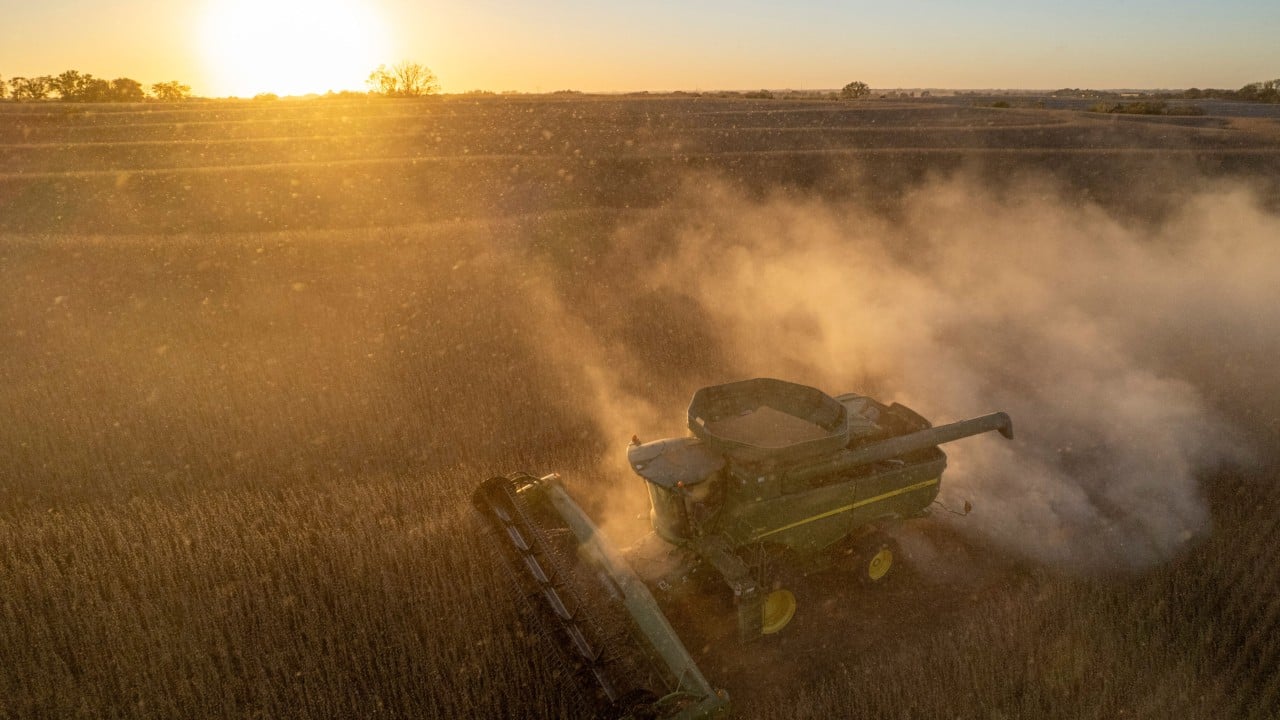
Let's look at what this project actually entails. The White House and corporate stakeholders are calling it the largest steel plant in United States history. Once fully operational around 2030, the facility aims to pump out roughly 10 million tons of steel annually. That volume completely changes domestic supply chains, especially when paired with iron ore pulled straight from Minnesota’s Mesabi iron range.
The Real Logistics Behind the Mega Mill
Most casual observers wonder why a plant tied so closely to Minnesota's iron mining sector is planting its roots down in Iowa. The answer comes down to local infrastructure, energy costs, and aggressive economic development incentives.
Local officials in Lee County didn't just sit back and hope for the best. They approved specific term sheets and local tax incentive structures designed to handle the massive influx of industrial demand. We're talking about commitments where the corporation pays millions upfront to offset community strains during construction, alongside multi-million-dollar property tax agreements spanning decades.
The raw economic numbers thrown around by federal and state leaders are staggering:
- Roughly 1,750 permanent, full-time manufacturing jobs.
- Up to 6,000 construction jobs during the buildout phase.
- Billions projected in regional and national economic output.
Yet, anyone who has watched heavy manufacturing over the last few decades knows that big promises require deep scrutiny. Multi-billion-dollar investments don't materialize overnight, and local communities always shoulder initial growing pains, from housing shortages to strained local roads.
Sizing Up the Economic and Political Timing
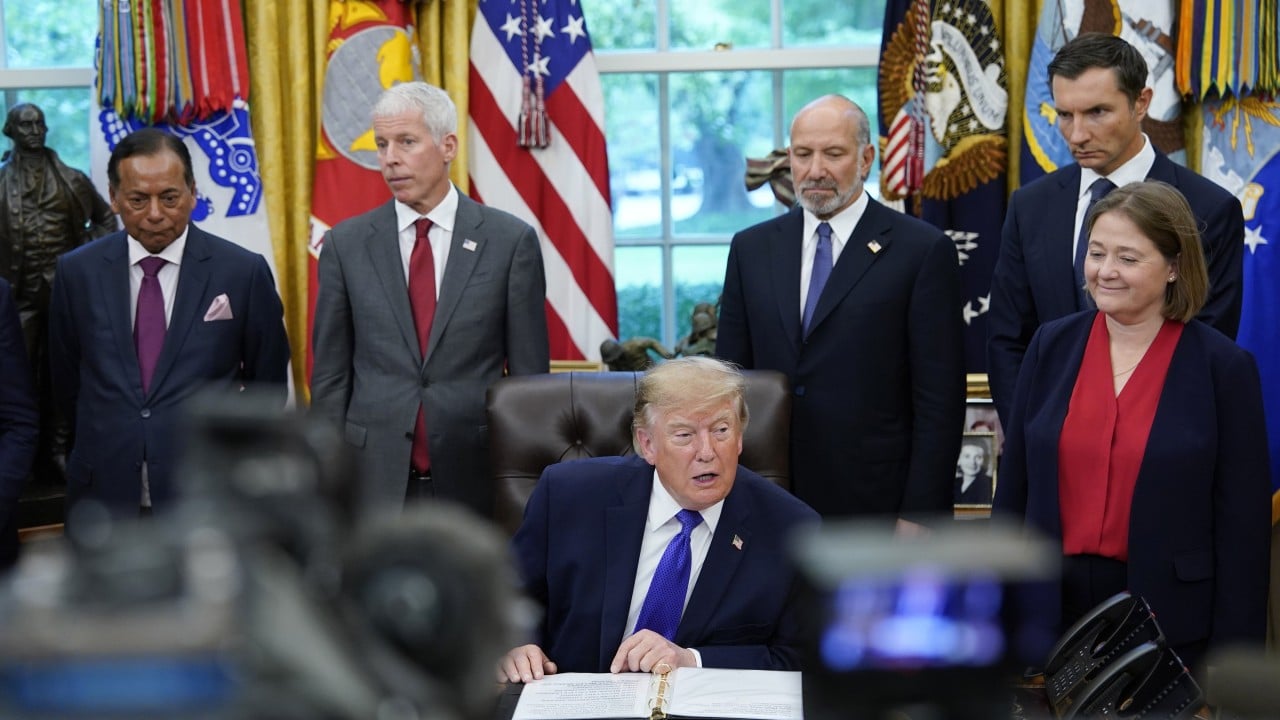
You can't talk about this announcement without acknowledging the timing. Dropped right ahead of major midterm battles, the project instantly became a central talking point for Republican heavyweights like Governor Kim Reynolds and Senator Joni Ernst. Iowa turned into a premier stage for industrial policy debates, proving once again that manufacturing announcements are powerful political leverage.
Critics raise valid questions about foreign backing—given Essar Group's global footprint—and whether local environmental and tax concessions tilt too heavily in favor of corporate giants. Balancing massive industrial growth with community protection is always messy. When local governments tie tax rebates strictly to real property value milestones—forcing the developer to generate over $112 million in new property value before seeing tax breaks—it creates a built-in safety net for taxpayers.
What Comes Next for Domestic Steel
If Mesabi Metallics successfully executes this buildout, the ripple effects across the Midwest will touch everything from regional trucking to structural engineering firms. We are looking at a fully integrated domestic pipeline where ore is mined in the north and melted down into finished steel in the heartland.
Keep an eye on how local zoning boards handle the upcoming environmental permits and how fast construction crews break ground on the massive site. If you're running a business in the supply chain or looking at heavy industrial investments, this project sets the benchmark for the next decade of American manufacturing policy.